Bringing home a new puppy is exciting, but choosing the right food can feel overwhelming. With hundreds of puppy food brands available, it’s difficult to know which products truly provide the nutrition your growing companion needs.
The first year of a puppy’s life is a period of rapid growth. During this time, their bones, muscles, brain, immune system, and digestive tract are developing quickly. Feeding a complete and balanced puppy diet helps support healthy growth while reducing the risk of nutritional deficiencies.
Not every dog food is designed for puppies. Adult formulas often lack the carefully balanced nutrients that young dogs require. That’s why selecting a high-quality puppy food is one of the most important decisions you’ll make as a pet owner.
In this guide, we’ll explain what makes an excellent puppy food, the nutrients every growing dog needs, and our expert recommendations for the best puppy foods available in 2026.
Why Puppies Need Special Nutrition?

Puppies have very different nutritional requirements than adult dogs.
During their first year, they grow rapidly and burn far more energy than mature dogs. Their developing bodies require higher levels of specific nutrients to build strong muscles, healthy bones, a resilient immune system, and a sharp, healthy brain.
A complete puppy formula is carefully designed to provide these nutrients in the correct proportions.
Feeding an adult dog food too early may result in nutritional imbalances because adult maintenance diets are formulated for dogs that have already finished growing.
Quality puppy nutrition supports:
- Healthy muscle development
- Strong bones and joints
- Brain and vision development
- Healthy skin and coat
- Digestive health
- Immune system function
- Consistent energy levels
Proper nutrition during puppyhood lays the foundation for a healthy adult dog.
What to Look for in the Best Puppy Food
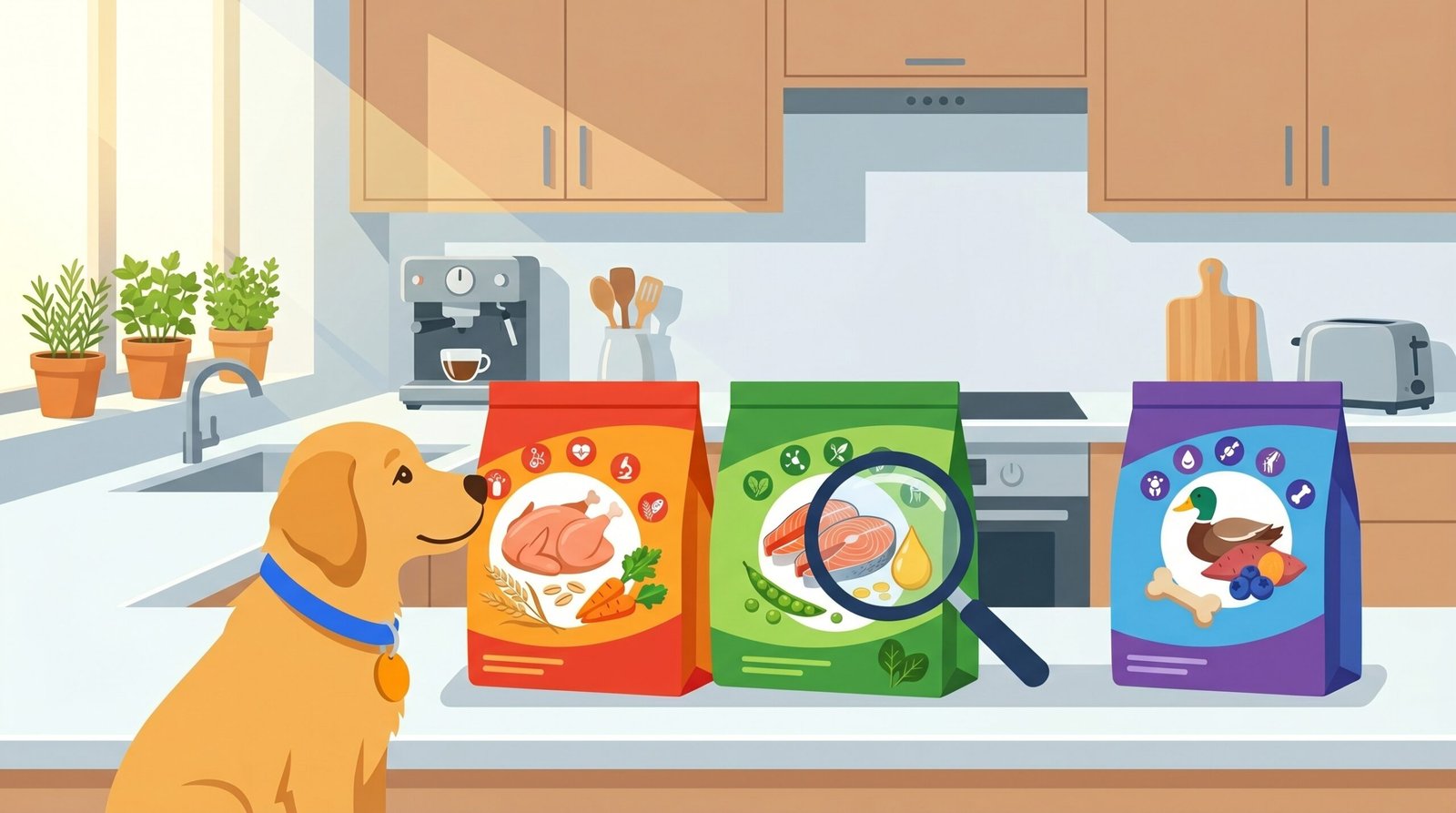
Not all puppy foods are created equal. Before purchasing any product, carefully review the ingredient list and nutritional information.
Here are the most important qualities to look for :
High-Quality Animal Protein
Protein is the building block of growth.
Look for foods that list a named animal protein as the first ingredient, such as:
- Chicken
- Turkey
- Lamb
- Salmon
- Beef
Avoid formulas that rely heavily on unspecified meat by-products or fillers.
DHA for Brain Development
Docosahexaenoic acid (DHA) is an omega-3 fatty acid that supports healthy brain and eye development.
Many premium puppy foods include DHA from fish oil or other marine sources. This nutrient is especially important during the first year of life when puppies are learning and developing rapidly.
Healthy Fats
Healthy fats provide energy and support skin, coat, and brain health.
Look for ingredients such as:
- Chicken fat
- Salmon oil
- Fish oil
- Flaxseed
Balanced omega-3 and omega-6 fatty acids contribute to a shiny coat and healthy skin.
Calcium and Phosphorus Balance
Growing puppies need the correct balance of calcium and phosphorus for proper bone development.
This is particularly important for large-breed puppies, as excessive or insufficient calcium can contribute to developmental orthopedic problems.
Choose foods specifically formulated for your puppy’s expected adult size.
Digestible Ingredients
Young digestive systems are still developing.
Highly digestible ingredients help puppies absorb nutrients efficiently while reducing digestive upset.
Look for wholesome carbohydrates such as:
- Brown rice
- Oats
- Sweet potatoes
- Barley
Many quality formulas also include probiotics to support digestive health.
AAFCO Statement
Always check that the food includes a statement indicating it is complete and balanced for growth according to recognized nutritional standards.
This helps ensure the food provides appropriate nutrition for puppies.
Our Top Puppy Food Recommendations for 2026
The following puppy foods are widely recognized for their balanced nutrition, ingredient quality, and suitability for growing dogs.
1. Purina Pro Plan Puppy Chicken & Rice Formula
Best Overall Puppy Food
Purina Pro Plan continues to be one of the most trusted puppy food lines available.
Why we recommend it:
- Real chicken as the first ingredient
- DHA for brain and vision development
- Live probiotics for digestive health
- High-quality protein for muscle growth
- Excellent digestibility
Best for:
- Most puppy breeds
- Active puppies
- First-time dog owners
2. Hill’s Science Diet Puppy
Best for Balanced Nutrition
Hill’s Science Diet is formulated with veterinary nutrition research and provides excellent overall nutritional balance.
Highlights include:
- High-quality chicken protein
- DHA from fish oil
- Balanced minerals for healthy bones
- Antioxidants supporting immune health
Best for:
- Small breeds
- Medium breeds
- Puppies with sensitive stomachs
3. Royal Canin Puppy Formula
Best Breed-Specific Nutrition
Royal Canin offers breed-specific puppy diets designed to meet the unique growth requirements of different dogs.
Benefits include:
- Breed-specific kibble size
- Excellent digestive support
- Immune system support
- Balanced energy levels
Ideal for:
- Labrador Retrievers
- German Shepherds
- Golden Retrievers
- French Bulldogs
- Many other specific breeds
4. Wellness Complete Health Puppy
Best Natural Puppy Food
Owners looking for natural ingredients often choose Wellness Complete Health Puppy.
This formula contains:
- Deboned chicken
- Oatmeal
- Salmon oil
- Fruits and vegetables
- Probiotics
The recipe avoids artificial colors, flavors, and preservatives while providing complete nutrition for healthy growth.
5. Blue Buffalo Life Protection Puppy
Best for Antioxidant Support
Blue Buffalo Life Protection Puppy combines high-quality protein with antioxidant-rich ingredients to support healthy growth and immune function.
Highlights:
- Real chicken as the first ingredient
- DHA and ARA for brain and eye development
- LifeSource Bits packed with antioxidants, vitamins, and minerals
- No corn, wheat, or soy
Best for:
- Small and medium breeds
- Active puppies
- Owners looking for natural ingredients
6. Orijen Puppy
Best Premium Puppy Food
Orijen Puppy is known for its high meat content and biologically appropriate recipes.
Key benefits include:
- Fresh chicken, turkey, fish, and eggs
- High animal protein
- Omega-3 fatty acids
- Excellent digestibility
Best for:
- Active puppies
- Working breeds
- High-energy dogs
7. Taste of the Wild High Prairie Puppy
Best Grain-Free Option
This recipe contains roasted bison and roasted venison as primary protein sources.
Benefits:
- Species-specific probiotics
- DHA from salmon oil
- Antioxidant-rich fruits and vegetables
- Excellent digestibility
Always consult your veterinarian before choosing a grain-free diet, especially if your puppy has no diagnosed grain sensitivity.
8. Merrick Healthy Grains Puppy Recipe
Best for Large-Breed Puppies
Large-breed puppies require carefully balanced calcium and phosphorus levels.
Merrick Healthy Grains Puppy provides:
- Deboned chicken
- Brown rice
- Healthy grains
- Glucosamine and chondroitin
- Omega fatty acids
Ideal for:
- Labrador Retrievers
- Golden Retrievers
- German Shepherds
- Other large breeds
Choosing the right puppy food isn’t about finding the most expensive product—it’s about selecting a complete, balanced diet that matches your puppy’s age, breed size, activity level, and individual needs.
How to Choose the Right Puppy Food

The best puppy food depends on your individual dog’s needs :
Breed Size
Small-breed puppies need calorie-dense food with smaller kibble.
Large-breed puppies require controlled calcium and phosphorus levels to support healthy bone growth.
Age
Young puppies have different nutritional requirements than adolescent dogs.
Always choose a formula labeled specifically for your puppy’s life stage.
Activity Level
Highly active puppies generally require more calories than less active companions.
Working breeds often benefit from higher-protein diets.
Food Sensitivities
If your puppy experiences:
- Chronic diarrhea
- Vomiting
- Itchy skin
- Ear infections
consult your veterinarian before changing diets.
Some puppies benefit from limited-ingredient or sensitive stomach formulas.
Ingredient Quality
Prioritize foods containing:
- Named animal proteins
- Healthy fats
- DHA
- Whole grains or quality carbohydrate sources
- Vitamins and minerals
- Natural preservatives
Avoid foods that rely heavily on artificial colors, fillers, or unnamed meat ingredients.
Frequently Asked Questions
What is the healthiest puppy food?
A healthy puppy food is complete and balanced, contains high-quality animal protein, healthy fats, DHA, and appropriate vitamins and minerals to support growth.
How many times should I feed my puppy?
Most puppies eat:
- 8–12 weeks: 4 meals daily
- 3–6 months: 3 meals daily
- 6–12 months: 2 meals daily
Always follow your veterinarian’s recommendations.
Should puppies eat grain-free food?
Not necessarily, unless your puppy has a medically confirmed grain sensitivity, many veterinarians recommend balanced diets that include healthy grains.
When should I switch to adult dog food?
Most dogs transition between 12 and 18 months of age. Large and giant breeds often remain on puppy food longer.
Consult your veterinarian for the ideal transition time.
Can I change puppy food suddenly?
No, gradually transition over 7–10 days by mixing increasing amounts of the new food with the current diet. This helps prevent digestive upset.
Conclusion

Providing your puppy with proper nutrition during their first year is one of the best investments you can make in their lifelong health.
A balanced puppy food supports healthy growth, strong bones, brain development, digestive health, and a resilient immune system.
Rather than focusing only on marketing claims, evaluate each food based on ingredient quality, nutritional balance, and your puppy’s individual needs.
If you’re unsure which food is best, consult your veterinarian for personalized guidance.
With the right nutrition, regular veterinary care, and plenty of love, your puppy will have the foundation they need to grow into a healthy, happy adult dog.