Bringing home a new puppy is exciting. Their playful energy, curious personality, and endless affection can make every day feel special. But there is one challenge that almost every new dog owner faces: potty training.
If you’ve recently found yourself cleaning up accidents from the carpet, you’re not alone. Potty training is one of the first major lessons your puppy needs to learn, and it often determines how smoothly life with your new companion will go.
The good news is that most puppies can make significant progress in just one week when given a structured routine. While a puppy won’t develop complete bladder control in seven days, they can absolutely learn where they should go, when they should go, and how to communicate their needs.
In this guide, you’ll learn exactly how to potty train a puppy in 7 days using a proven step-by-step system based on consistency, supervision, positive reinforcement, and realistic expectations.
Quick Answer: How Do You Potty Train a Puppy in 7 Days?
To potty train a puppy in 7 days:
- Take your puppy to the same potty spot every 30–60 minutes.
- Reward successful potty trips immediately.
- Use a crate or playpen when supervision isn’t possible.
- Feed meals on a consistent schedule.
- Watch for potty signals such as sniffing, circling, or whining.
- Clean all accidents thoroughly with an enzymatic cleaner.
- Never punish your puppy for accidents.
Most puppies can learn a reliable potty routine within seven days when owners remain consistent and patient.
Is it Possible to Train a Puppy in 7 Days?
This is one of the most common questions new puppy owners ask.The honest answer is both yes and no.
- Yes, your puppy can learn the potty training routine within a week.
- No, most puppies will not achieve perfect bladder control in only seven days.
A successful week of potty training means your puppy:
- Understands the designated potty location
- Begins recognizing your potty cue
- Starts signaling when they need to go
- Has significantly fewer accidents
- Develops a predictable bathroom routine
Remember that bladder development is largely biological. Younger puppies simply cannot “hold it” for long periods, regardless of how intelligent they are.
For example:
| Puppy Age | Typical Potty Break Frequency |
| 8–10 Weeks | Every 30–60 minutes |
| 10–12 Weeks | Every 1–2 hours |
| 3 Months | Every 2–3 hours |
| 4 Months | Every 3–4 hours |
| 5 Months | Every 4–5 hours |
| 6+ Months | Every 4–6 hours |
Smaller breeds often need more frequent potty breaks because they have smaller bladders than larger breeds.
The goal of this 7-day plan is not perfection.
The goal is building habits that create long-term success.
What You’ll Need Before Day 1
Many potty training failures happen because owners start without a plan.
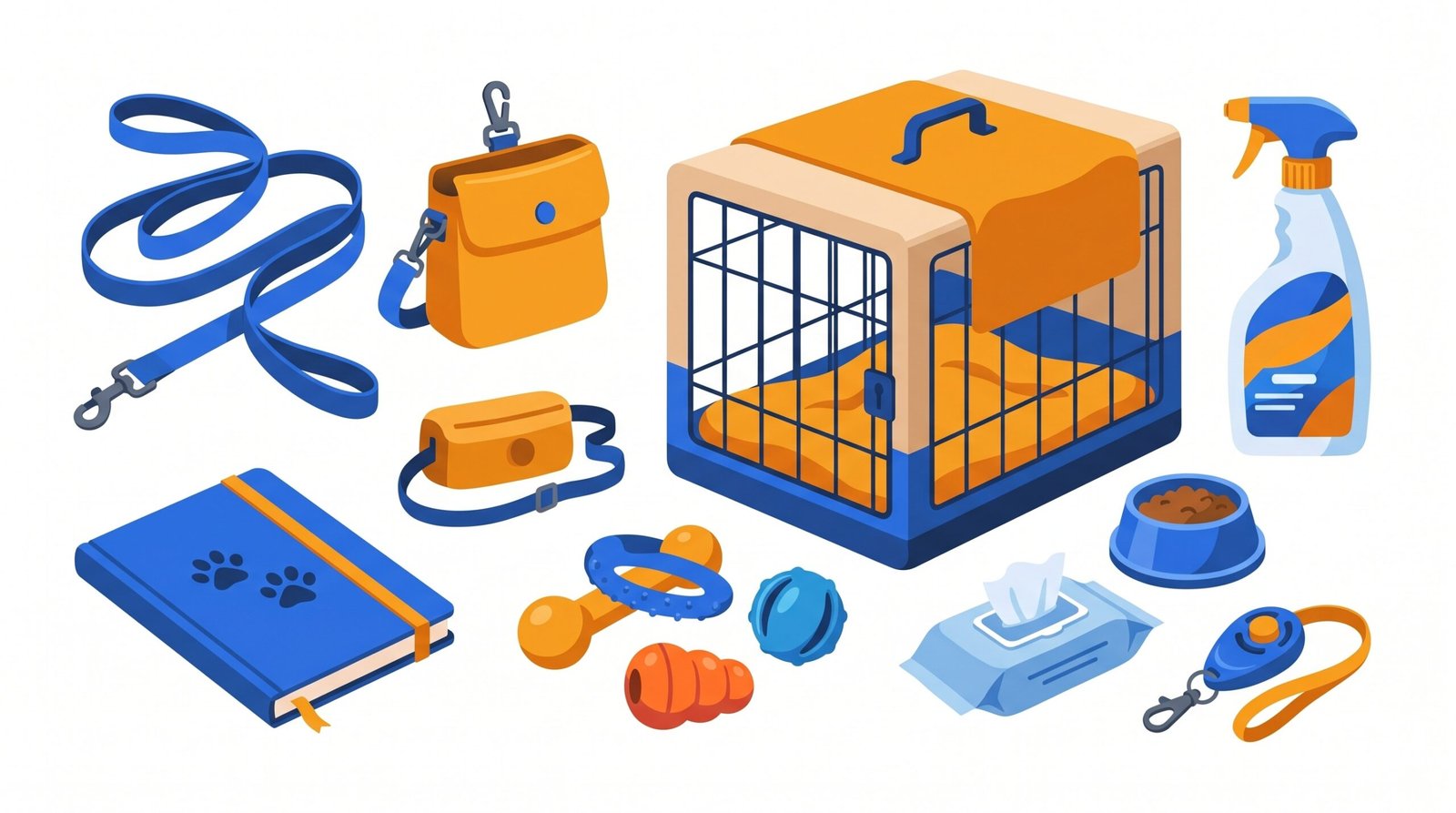
Before you begin, gather the following supplies :
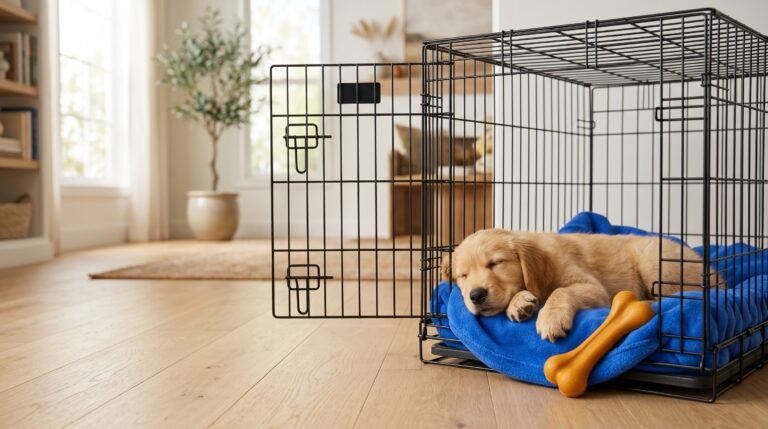
1. Properly Sized Crate
A crate should be large enough for your puppy to:
- Stand comfortably
- Turn around
- Lie down
However, it should not be excessively large.
If the crate is too big, puppies may use one side as a bathroom and sleep on the other side.
2. High-Value Training Treats
Choose small, soft, and highly rewarding treats.
Examples include:
- Small training treats
- Tiny pieces of boiled chicken
- Soft puppy treats
Reserve these rewards specifically for potty training success.
3. A 6-Foot Leash
Even if you have a fenced yard, using a leash during potty training helps your puppy focus on the task rather than getting distracted by play.
4. Enzymatic Cleaner
Regular household cleaners often leave behind scent markers that puppies can still detect.
An enzymatic cleaner breaks down odor molecules and helps prevent repeat accidents in the same location.
5. Playpen or Baby Gates
These tools help limit your puppy’s freedom when direct supervision isn’t possible.
Remember freedom is earned. A puppy that hasn’t mastered potty training should not have unrestricted access to the entire house.
6. Training Log
Use:
- A notebook
- A smartphone app
- A spreadsheet
Track:
- Meals
- Water intake
- Naps
- Play sessions
- Potty breaks
- Accidents
Within a few days, you’ll begin noticing patterns that make potty training much easier.
Understanding Your Puppy’s Potty Triggers
Most puppies need to relieve themselves after specific activities. These are called potty triggers.
Take your puppy outside immediately after:
Waking Up
This is the most important potty trip of the day. The moment your puppy wakes up, head straight to the potty area.
Eating
Most puppies need to go within 5–30 minutes after meals.
Drinking Water
Large drinks often trigger bathroom needs shortly afterward.
Play Sessions
Running and excitement stimulate the digestive system and bladder.
Naps
Many owners forget this one. A puppy that wakes from a nap often needs an immediate potty break.
Before Bedtime
Always take your puppy outside one final time before sleep.
Day 1: Building the Foundation
The first day is the most important day of the entire program.Your goal isn’t speed, it’s consistency.
Today, you’re teaching your puppy where the bathroom is and beginning to establish a predictable routine.
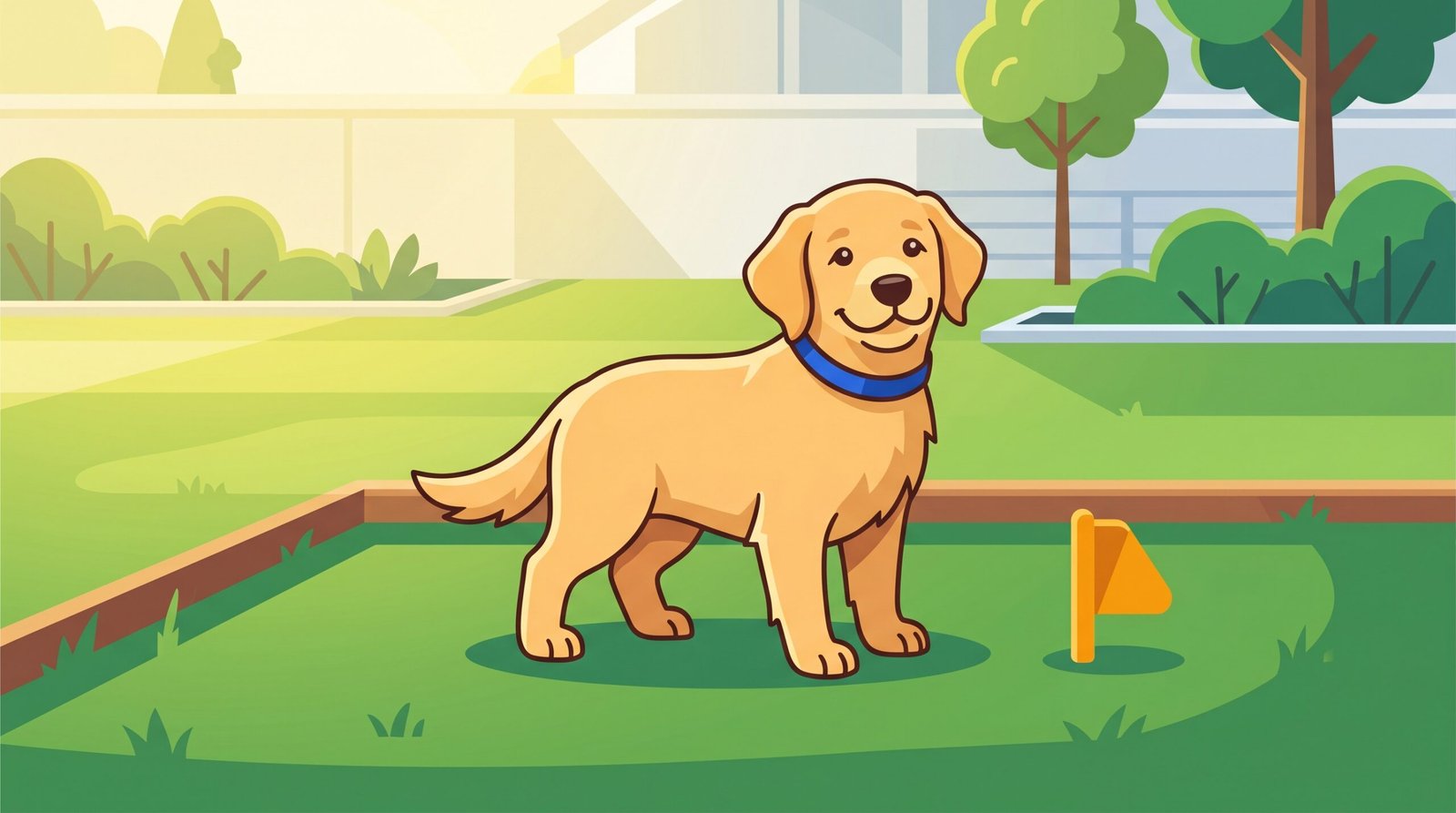
Step 1: Choose a Designated Potty Area
Select one location outdoors and avoid changing locations repeatedly.
Dogs learn through repetition. Using the same spot helps your puppy associate that area with bathroom behavior.
Step 2: Take Your Puppy Out Every 30–60 Minutes
For Day 1, frequent trips are essential.
Take your puppy outside:
- After waking up
- After eating
- After drinking
- After naps
- After play sessions
- Every 30–60 minutes otherwise
Frequent opportunities reduce accidents and create learning opportunities.
Step 3: Stay Quiet and Patient
Once you reach the potty area:
- Stand still
- Avoid talking excessively
- Avoid playing
- Give your puppy time to focus
Many owners accidentally distract their puppies.
Step 4: Introduce a Potty Cue
Choose a simple phrase such as:
- “Go potty”
- “Do your business”
- “Potty time”
Say the cue softly while your puppy is actively eliminating. Over time, your puppy will associate the cue with the behavior.
Step 5: Reward Immediately
Timing matters. The reward should occur within approximately 3 seconds after your puppy finishes.
This helps your puppy clearly connect the action with the reward.
Offer:
- Praise
- A small treat
- Affection
Immediate reinforcement dramatically speeds up learning.
Step 6: Log Everything
Record:
- Successful potty trips
- Accidents
- Meal times
- Nap times
- Water intake
Patterns often emerge surprisingly quickly.
Many owners discover their puppy needs to potty at nearly identical times each day.
Day 2: Reinforcing the Routine
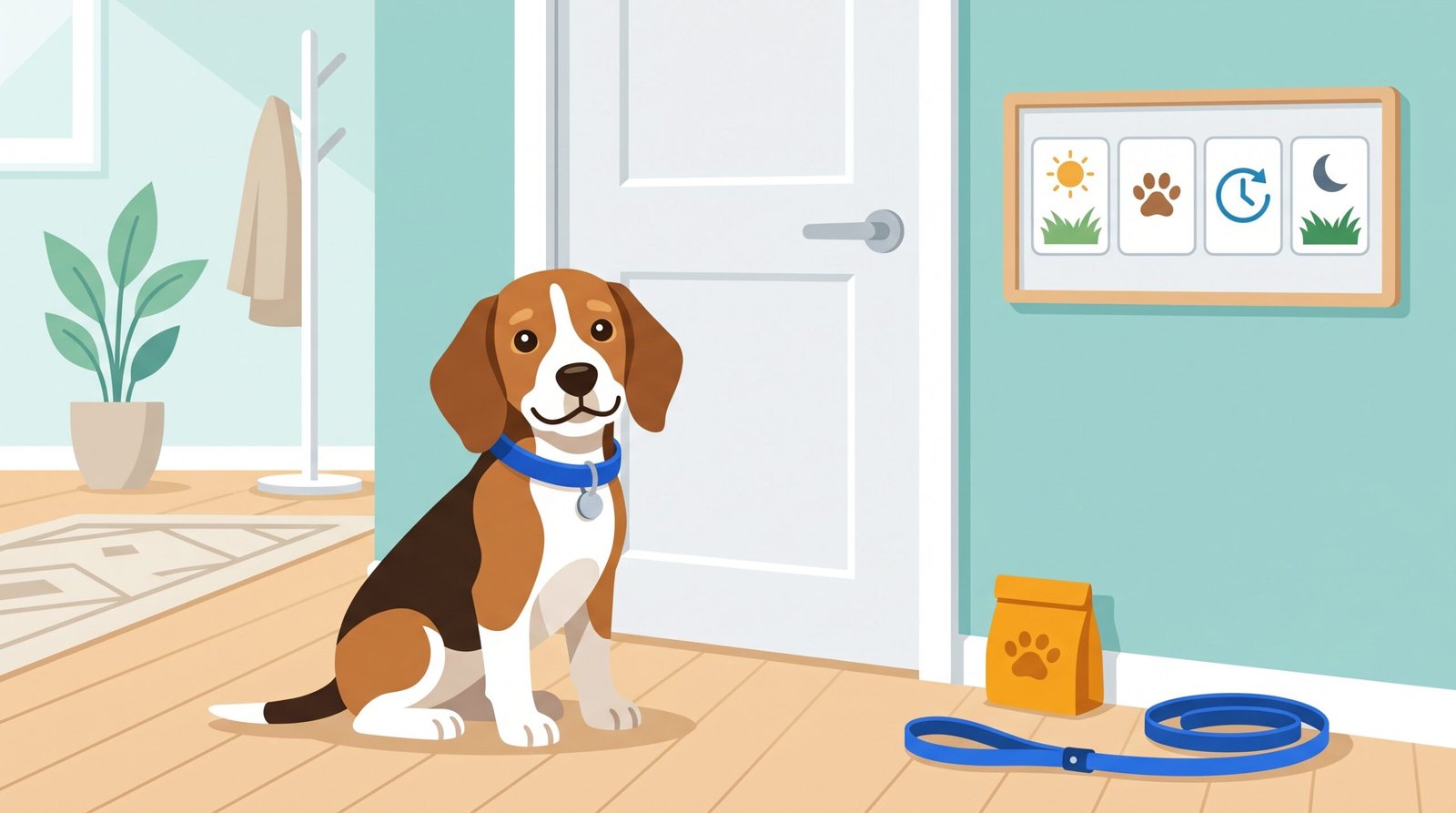
By Day 2, your puppy should begin recognizing that outdoor trips are part of daily life. Now your focus shifts toward consistency.
Keep the Same Schedule
Avoid making major changes.
Continue:
- Frequent potty breaks
- Same potty area
- Same cue word
- Same rewards
Dogs learn through repetition. The more predictable the routine becomes, the faster your puppy learns.
Feed on a Schedule
Free-feeding makes potty training difficult.
Instead:
- Feed meals at consistent times
- Remove uneaten food after meals
- Track bathroom activity afterward
Regular meals create predictable bathroom schedules.
Continue Immediate Rewards
Don’t assume your puppy “already knows.” Every successful potty trip should still be rewarded.
Watch for Early Signals
Many puppies begin showing subtle signs by Day 2.
Look for:
- Sniffing the floor
- Circling
- Restlessness
- Wandering away
- Heading toward the door
When you see these signals, immediately guide your puppy outside. Success comes from preventing accidents before they happen.
Day 3: Learning Your Puppy’s Signals
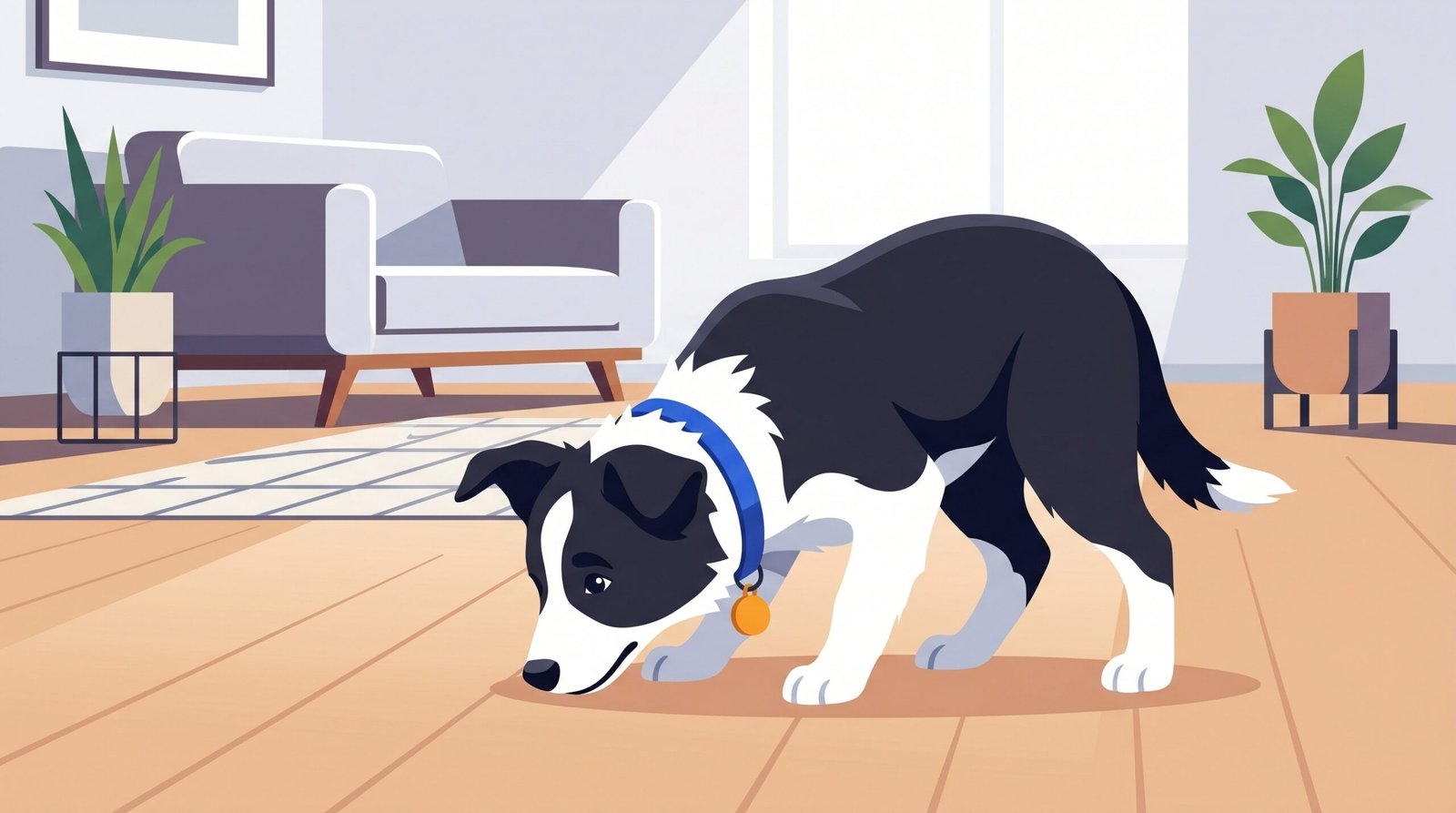
Today is where many owners begin noticing major improvements. Your puppy is starting to understand the routine and may begin communicating their needs.
Common Potty Signals
Every puppy is different, but common signs include:
1. Sniffing
Many puppies intensely sniff the floor before eliminating.
2. Circling
Repeated circling often indicates they are searching for a bathroom spot.
3. Sudden Pauses
A puppy that abruptly stops playing may need a potty break.
4. Whining
Some puppies vocalize when they need to go outside.
5. Moving Toward the Door
This is one of the clearest signs of progress, your puppy is beginning to associate the door with bathroom trips.
Respond Immediately
The moment you notice a signal:
- Pick up the leash
- Move quickly
- Go directly to the potty area
Every successful trip reinforces the habit and every missed signal increases the chance of an accident.
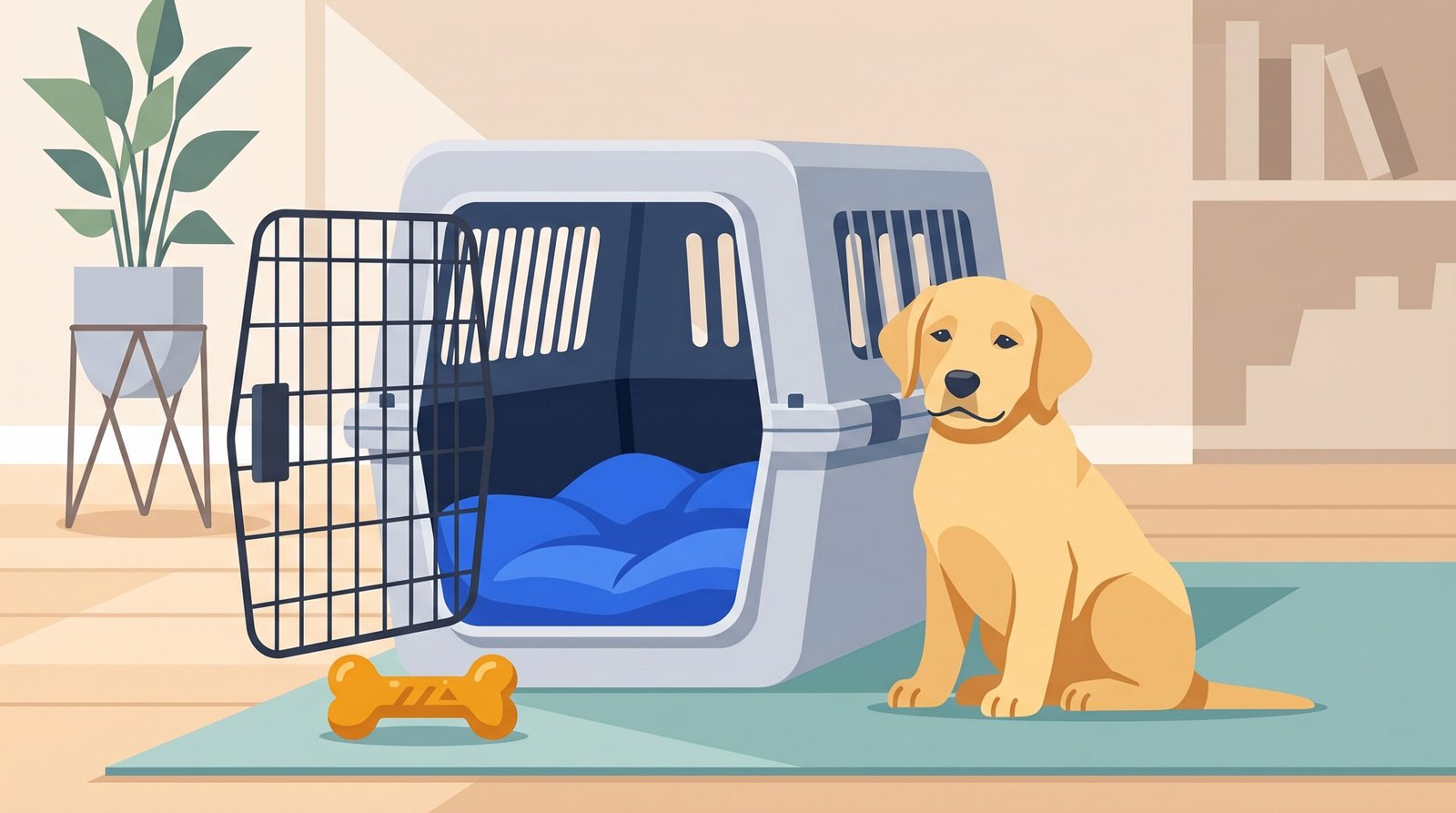
Begin Crate Training
Day 3 is an excellent time to introduce crate training as part of the potty training process.
Dogs naturally prefer not to soil their sleeping area.A properly sized crate helps encourage bladder control and prevents unsupervised accidents.
The crate should never be used as punishment.Instead, make it a comfortable and positive environment.
Include:
- Comfortable bedding
- Safe chew toys
- Calm praise
Use short crate sessions and always take your puppy outside immediately before and after crate time.
By the end of Day 3, many puppies begin showing clear signs of understanding the routine, and owners often notice a significant reduction in accidents.
Day 4: Begin Extending Potty Intervals
If Days 1–3 have gone well, your puppy is beginning to understand the routine.
They know:
- Where to go
- What the potty cue means
- That successful potty trips earn rewards
Now it’s time to slowly increase the time between potty breaks, this helps build bladder control while maintaining your puppy’s confidence.
Why You Shouldn’t Rush This Step
One of the biggest potty-training mistakes is increasing intervals too quickly. Many owners see a few successful days and assume their puppy is fully trained, then accidents suddenly return.
Remember that potty training is not a straight line. Progress comes gradually.
If your puppy was successfully going every hour, try extending the interval by only 15–30 minutes.
For example:
| Previous Schedule | New Schedule |
|---|---|
| Every 60 Minutes | Every 75 Minutes |
| Every 90 Minutes | Every 105–120 Minutes |
If accidents increase, return to the previous schedule for another day or two.
Continue Following Potty Triggers
Even though intervals are increasing, certain potty trips remain mandatory.
Always take your puppy outside:
- Immediately after waking up
- After meals
- After naps
- After vigorous play
- Before bedtime
These situations create the highest risk of accidents.
Introduce Limited Indoor Freedom
Many puppies begin earning small amounts of supervised freedom around Day 4.
However, freedom should be introduced carefully.
Start with:
- One room only
- Constant supervision
- Short periods of 10–15 minutes
Avoid giving access to the entire house, a puppy that understands one room is not automatically trained everywhere else.
Continue Rewarding Success
Some owners stop rewarding after a few good days, don’t make that mistake. Rewards remain an important part of reinforcement.
Continue:
- Praising immediately
- Offering small treats
- Maintaining a positive experience
Your puppy is still learning.
Day 5: Introduce Mild Distractions
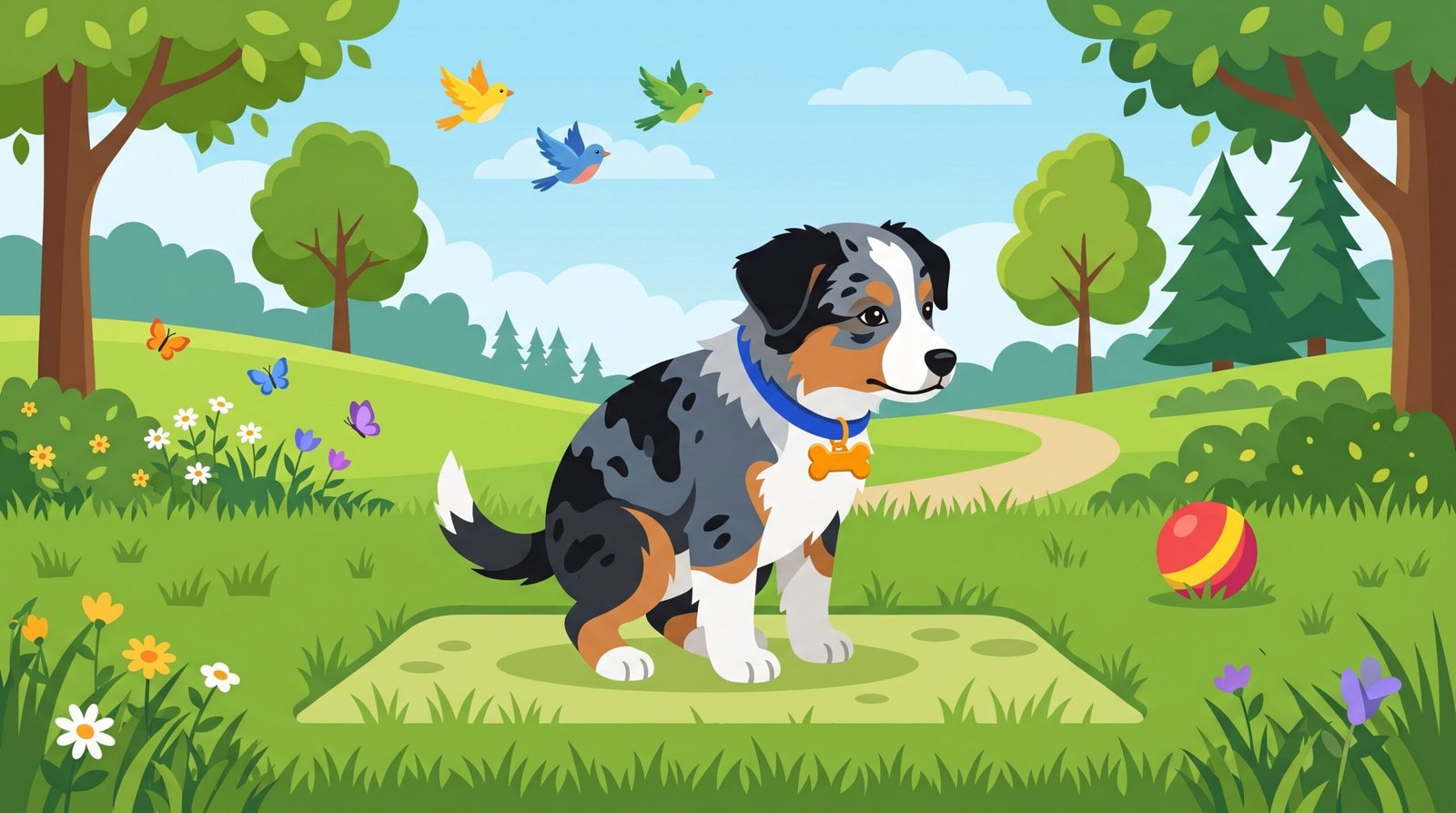
By Day 5, your puppy should be developing a predictable bathroom routine, now it’s time to teach an important lesson:
Potty rules apply everywhere—not just in perfect conditions.
Dogs often perform well in quiet environments but struggle when distractions appear, that’s why Day 5 focuses on real-world practice.
Examples of Mild Distractions
Try potty trips when:
- Another dog is visible nearby
- Family members are outside
- Children are playing
- The weather is slightly different
- Guests are visiting
The goal is not to overwhelm your puppy, it is to show them that going potty outside remains the priority.
Continue Using the Potty Cue
As your puppy begins understanding the routine, the cue word becomes more powerful.
Continue using:
- “Go potty”
- “Potty time”
- “Do your business”
Eventually, many dogs will eliminate shortly after hearing the cue.
This becomes extremely useful during:
- Travel
- Vet visits
- Road trips
- Bad weather
Practice Before Exciting Events
Excitement often causes accidents.
Before:
- Visitors arrive
- Playtime begins
- Car rides
- Walks
Take your puppy to the potty area first, this simple habit prevents many accidents.
Keep Tracking Progress
At this stage, patterns become easier to identify.
Ask yourself:
- What time do accidents happen?
- Are they linked to meals?
- Are they linked to excitement?
- Did I miss a potty signal?
Tracking helps you make adjustments before problems become habits.
Day 6: Test Reliability
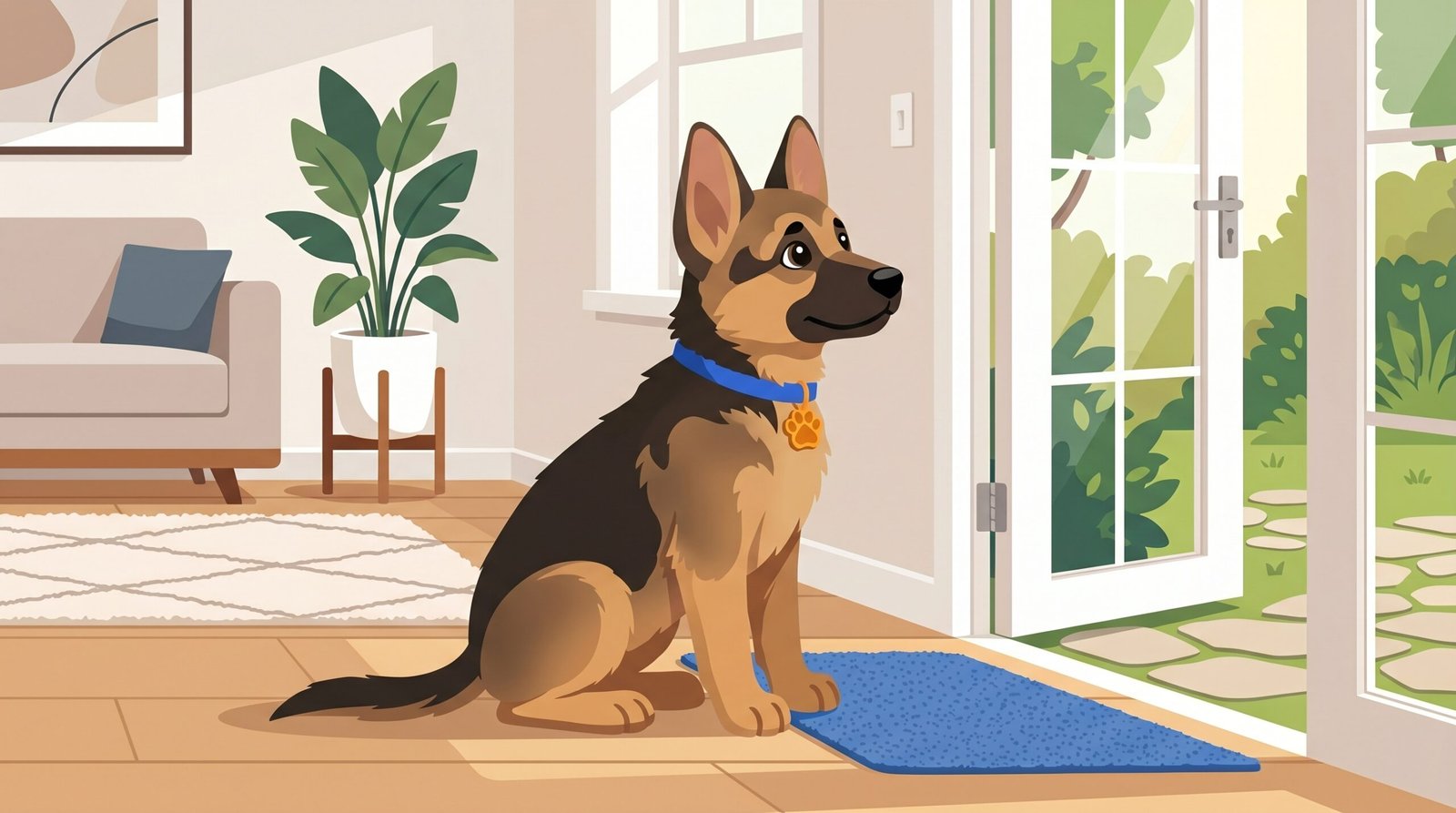
Day 6 focuses on evaluating how much your puppy truly understands. Up to this point, you’ve been creating opportunities for success, now you’ll begin testing reliability.
Give Slightly More Freedom
If your puppy has been successful:
- Expand access to a second room
- Allow slightly longer supervised periods
- Continue monitoring closely
Supervision remains critical.
Freedom should never exceed your puppy’s current skill level.
Look for Independent Signals
Today, watch for signs that your puppy is communicating without your help.
Examples include:
- Walking toward the door
- Sitting near the exit
- Whining to go outside
- Looking at you and then the door
These behaviors show your puppy is beginning to understand the connection between indoor life and outdoor bathroom trips.
Evaluate Accidents Carefully
If an accident happens, don’t panic.
Accidents provide valuable information.
Ask:
- Did I miss a signal?
- Did I extend intervals too quickly?
- Was my puppy overly excited?
- Was supervision insufficient?
Avoid punishment because it creates fear, not understanding. Your puppy learns best through consistency and positive reinforcement.
Maintain Crate Training
Crate training remains useful during this stage.
Continue using the crate:
- During naps
- When supervision isn’t possible
- During short periods of rest
Many puppies benefit from several more weeks of structured crate use.
Day 7: Generalize the Behavior
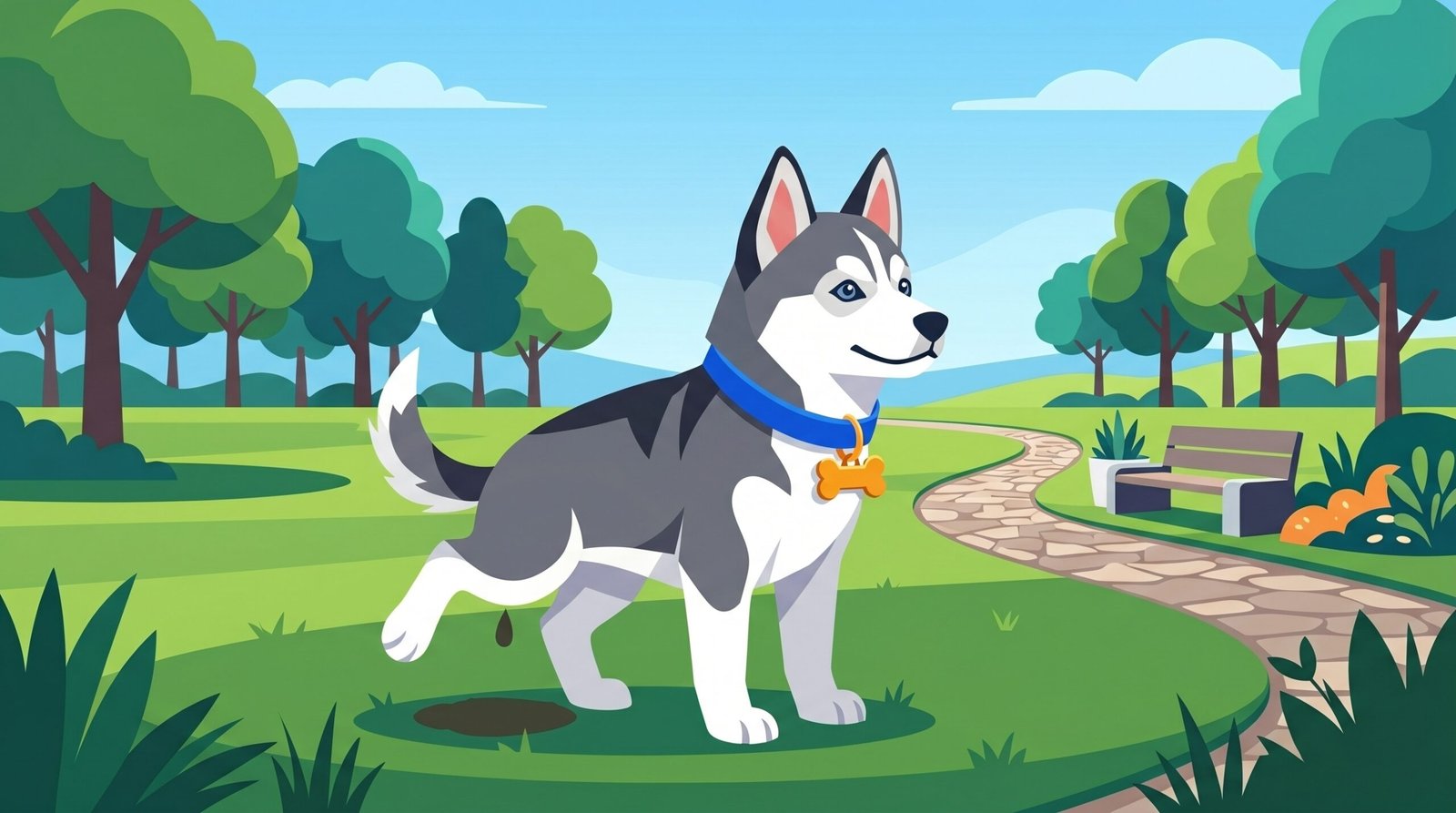
Congratulations : your puppy has completed an entire week of structured potty training.
Now it’s time to help them understand that potty rules apply everywhere, this process is called “generalization“.
Why Generalization Matters
Many puppies become attached to a specific potty location.While this is helpful initially, dogs eventually need to understand that other outdoor locations are acceptable too.
Without generalization, some puppies refuse to eliminate outside unfamiliar environments.
Introduce New Potty Locations
Try visiting:
- Another part of your yard
- A nearby park
- A friend’s yard
- A different walking route
Keep the experience calm and familiar.
Use:
- The same cue word
- The same praise
- The same rewards
This helps your puppy transfer the behavior to new environments.
Conduct a Reliability Test
Today, follow your normal routine and observe:
- Does your puppy signal consistently?
- Are accidents rare?
- Does your puppy understand the cue?
- Are potty trips predictable?
Most puppies that follow a structured plan achieve substantial progress within the first week.
While they may not be completely accident-free, they have built the foundation for long-term success.
Signs Your Puppy Is Making Progress
Look for these positive indicators:
- Fewer indoor accidents
- Heading toward the door independently
- Responding to the potty cue
- Eliminating quickly after reaching the potty area
- Longer periods between potty breaks
- More predictable bathroom habits
Progress isn’t measured by perfection, it’s measured by consistency.
What If My Puppy Isn’t Fully Trained After 7 Days?
This is completely normal. Every puppy learns at a different pace.
Factors that influence training speed include:
- Age
- Breed
- Previous experiences
- Consistency of training
- Supervision quality
Many puppies need:
- 2–4 weeks for strong daytime reliability
- Several months for complete reliability
The first week simply creates the foundation. Think of Day 7 as the beginning of success—not the finish line.
The Secret to Long-Term Potty Training Success
The most successful dog owners are not necessarily the most experienced, but the most consistent.
If you remember only one thing from this guide, let it be this:
Take your puppy out frequently, reward success immediately, supervise carefully, and stay patient.
A puppy that understands the routine today becomes a fully house-trained adult dog tomorrow.
The effort you invest during these first seven days will pay off for years to come.
Common Puppy Potty Training Mistakes to Avoid
Even the most dedicated puppy owners make mistakes during potty training. Fortunately, most setbacks can be corrected quickly once you identify the cause.
1. Punishing Accidents
One of the biggest mistakes is scolding a puppy after an accident.Your puppy does not understand that you’re upset about what happened five minutes ago.
Instead, punishment can create:
- Fear
- Anxiety
- Hiding behavior
- Secret accidents
Focus on rewarding success rather than punishing mistakes.
2. Inconsistent Schedules
Dogs thrive on routine, if your puppy goes outside every hour one day and every three hours the next, learning becomes much more difficult.
3. Too Much Freedom Too Soon
Many owners allow free roaming after a few successful days.However a puppy that is accident-free in one room is not automatically trained throughout the house.
Expand freedom gradually.
4. Missing Potty Signals
Common signs include:
- Sniffing
- Circling
- Restlessness
- Whining
- Walking toward the door
Ignoring these signals often leads to preventable accidents.
5. Delayed Rewards
Timing matters, reward your puppy within a few seconds of successful elimination.
Waiting too long weakens the connection between the action and the reward.
Complete Troubleshooting Guide
Problem: My Puppy Keeps Having Accidents Indoors
Possible causes:
- Potty breaks aren’t frequent enough
- Missed potty signals
- Too much freedom
- Medical issue
Solution:
Return to a stricter schedule for a few days and supervise closely.
Problem: My Puppy Won’t Go Outside
Possible causes:
- Fear
- Distractions
- Unfamiliar environment
Solution:
Use a leash, stay patient, and wait quietly.
Avoid turning potty trips into play sessions.
Problem: My Puppy Goes Outside Then Has an Accident Inside
Possible causes:
- Puppy became distracted outdoors
- Potty trip was too short
Solution:
Stay outside longer and reward immediately after success.
Problem: My Puppy Only Uses Puppy Pads
Possible causes:
- Strong habit formation
Solution:
Gradually move pads closer to the door before transitioning outdoors.
Problem: Potty Training Progress Suddenly Stops
Possible causes:
- Growth stage
- New environment
- Schedule changes
Solution:
Go back to the basics for several days and rebuild consistency.
Nighttime Potty Training
Nighttime training is often the hardest part for new puppy owners.
The good news is that puppies usually learn nighttime bladder control faster than many people expect.
How Long Can a Puppy Hold It at Night?
A common guideline is:
Months of age + 1 = Approximate maximum hours
Examples:
| Age | Maximum Hours |
|---|---|
| 2 Months | 3 Hours |
| 3 Months | 4 Hours |
| 4 Months | 5 Hours |
| 5 Months | 6 Hours |
Remember that every puppy is different.
Nighttime Tips
Limit Water Before Bed
Avoid excessive drinking one hour before bedtime.
Never restrict water during the day.
Take One Final Potty Trip
Always go outside immediately before bed.
Use a Crate
Most puppies naturally avoid soiling their sleeping area.
Stay Calm During Night Trips
Keep:
- Lights dim
- Interactions minimal
- No playtime
The goal is teaching that nighttime outings are for bathroom breaks only.
Apartment Potty Training
Apartment owners can successfully potty train puppies too.The process is nearly identical but requires extra planning.
Use the Elevator Quickly
When possible:
- Carry small puppies
- Head directly outside
- Avoid distractions
Create a Potty Station
If outdoor access takes time:
- Use a balcony potty area
- Use grass patches
- Use a temporary indoor potty station
Transition gradually to outdoor elimination.
Watch for Signals Earlier
Apartment puppies need faster responses because reaching the outdoor potty area takes longer.
At the first sign of:
- Sniffing
- Circling
- Whining
Begin heading outside immediately.
Frequently Asked Questions
Can You Potty Train a Puppy in 7 Days?
Yes, most puppies can establish a reliable routine in seven days, but complete potty training often takes several weeks.
What Is the Fastest Way to Potty Train a Puppy?
The fastest method combines:
- Frequent potty breaks
- Immediate rewards
- Crate training
- Consistent scheduling
- Close supervision
How Often Should I Take My Puppy Outside?
Most puppies need potty breaks:
- Every 30–60 minutes initially
- After meals
- After naps
- After play sessions
- Before bedtime
Should I Use Puppy Pads?
Puppy pads can be helpful in certain situations, but direct outdoor training usually leads to faster long-term results.
How Do I Clean Puppy Accidents?
Use an enzymatic cleaner specifically designed for pet messes.
Regular cleaners often leave behind scent markers.
When Is a Puppy Fully Potty Trained?
Most puppies achieve reliable daytime potty training between:
- 4–6 months of age
Some dogs may require longer depending on breed, temperament, and consistency.
Conclusion
Potty training a puppy in 7 days is not about achieving perfection. It’s about building a foundation.
When you provide:
- Consistency
- Patience
- Positive reinforcement
- A structured schedule
your puppy quickly learns where and when they should go. The first week sets the stage for lifelong habits.
Stay consistent, celebrate small victories, and remember that every successful potty trip is a step toward a fully house-trained dog.
Your future self—and your carpets—will thank you.